

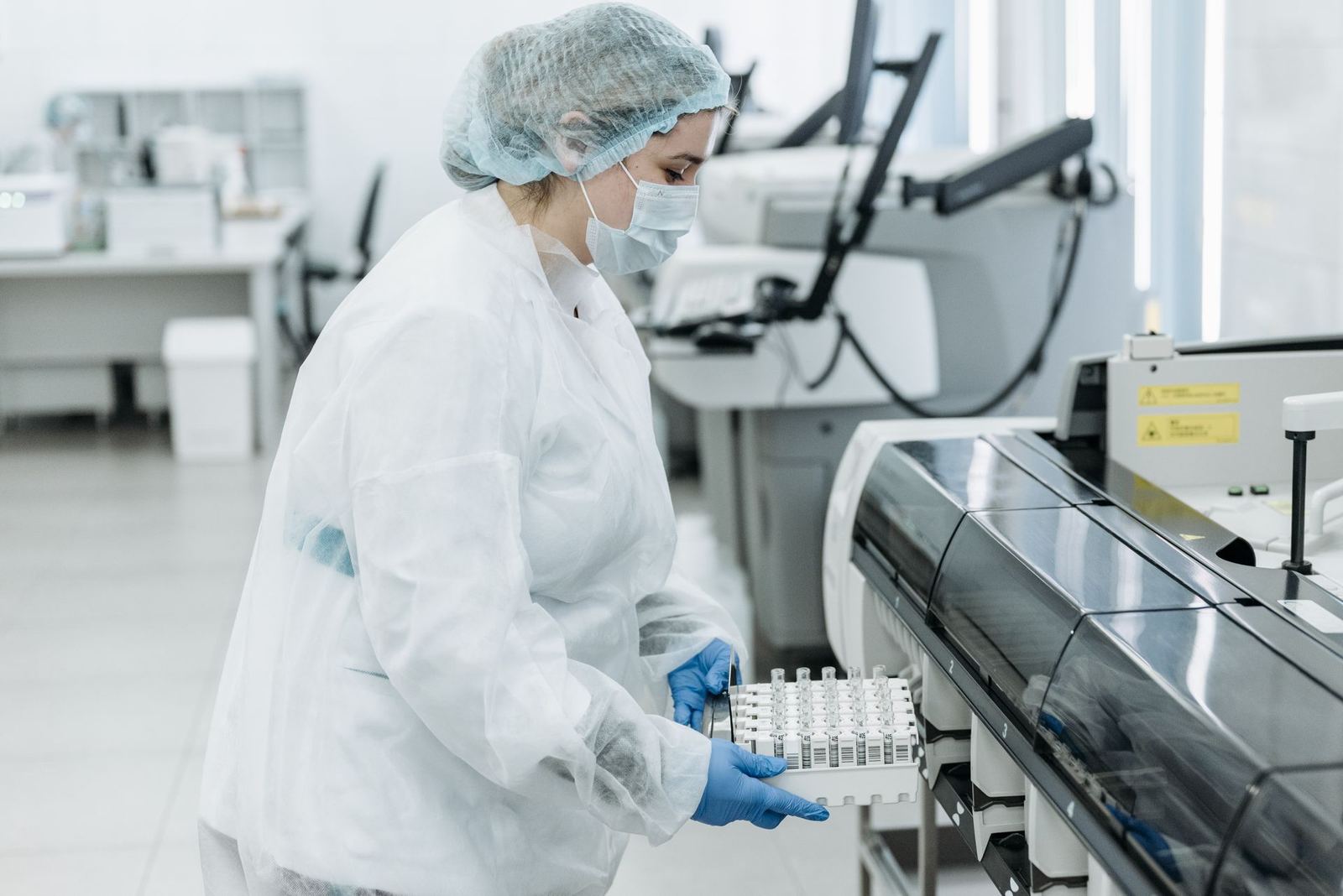
The reliability of an analysis result starts with the representativeness and condition of the sample that reaches the laboratory. The rules below apply to all samples.
General rules
- Every sample must arrive with a unique label: sample name, batch/lot, date and time taken, and the person who took it
- The sample submission form must be filled in completely; the requested analysis and regulatory reference must be written
- Microbiological samples must reach the laboratory in a sterile container at 2–8 °C within 24 hours of collection
- Chemical samples must be sent in clean, suitable glass or polyethylene containers, protected from light and heat
Typical sample amounts
- Food microbiology: at least 250 g or 250 ml (the entire closed package)
- Drinking-water microbiology: a 500 ml sterile bottle (with sodium thiosulphate for chlorinated water)
- Drinking-water chemistry: a 2 L plastic bottle, and for heavy metals a 500 ml acidified bottle
- Metal tensile test: a machined test bar to the standard, or raw material
Rejection criteria
A sample may be rejected for a leaking container, a microbiological sample whose cold chain was broken (outside 2–8 °C), an unlabelled sample and insufficient quantity. In case of rejection the customer is informed on the same day and re-sampling options are offered.
Retention and disposal
After analysis, samples are kept for 7 days for food and 15 days for others; the right to object and request a repeat analysis applies within this period.