


How to Take and Ship a Sample: Seven Mistakes That Spoil an Analysis Result
A correct sample means a correct result: rules for container, quantity, temperature, time and labelling.
Read more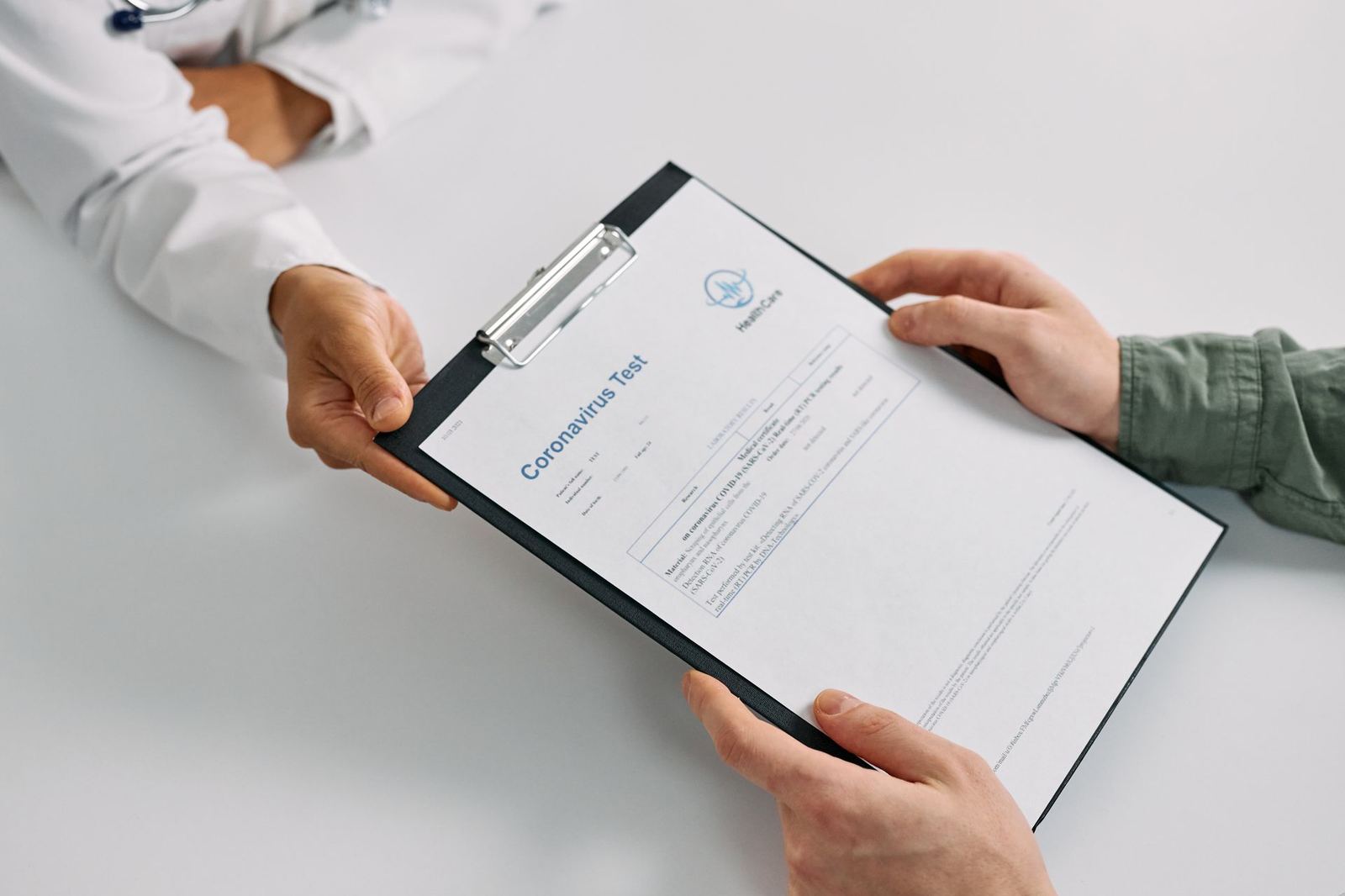
What do units, the detection limit and the statement of conformity in a report mean?
For most people holding a laboratory report, the first glance goes to the words "conforms" or "does not conform". Yet every line of a report carries clues as to how the result should be interpreted. This guide explains the main concepts in an accredited laboratory report.
At the start of the report are the sample name, sample number, date received, analysis dates and the person who took the sample. This information guarantees that the result belongs to the right sample. The sample's reception conditions (temperature, packaging state) are also recorded.
Next to every analysis is the standard number (for example TS EN ISO 4833-1). Analyses within the accreditation scope are marked with a special symbol; methods outside the scope are noted separately. This distinction matters, because tenders, exports and legislation often require accredited results.
Units must be read correctly: there is a thousand-fold difference between mg/L and µg/L; cfu/g (colony forming units) describes the number of microorganisms, and ppm and ppb describe very low concentrations.
The limit of detection (LOD) is the lowest amount at which the method can reliably show presence; the limit of quantification (LOQ) is the lowest amount to which a numerical value can reliably be assigned. Seeing "< 0.5 µg/kg" means that the value is below the LOQ; it does not mean it is zero.
Every measurement has an uncertainty. The statement "12.0 ± 1.2 mg/L (k=2, 95% confidence)" says that the true value lies between 10.8 and 13.2 with 95% probability. If a result is close to the limit, the uncertainty can change the conformity decision.
The report shows the relevant regulatory limit and, if needed, the decision rule requested by the customer. The decision rule says how uncertainty will be taken into account in the conformity decision. Rules such as simple acceptance or guarded acceptance are agreed with the customer beforehand.
When reading the report look in order at: is it the right sample, is the method suitable and accredited, is the unit read correctly, is the result above the LOQ, does the uncertainty change the decision near the limit. For help interpreting your report you can reach our laboratory specialists.
Can repeat analysis be requested after a report is received? Yes, re-analysis can be done within the sample retention period (7 days for food, 15 for others). If a correction to the report is needed, a new version-numbered report is issued and the earlier one is cancelled; every report version is on record. For comment on results you can reach our laboratory specialists by email.
A correct sample means a correct result: rules for container, quantity, temperature, time and labelling.
Read more