

Microbiological Analysis in Food: Which Tests and How Often?
Core indicators, pathogens and a sample annual monitoring plan for producers and restaurants.
Read more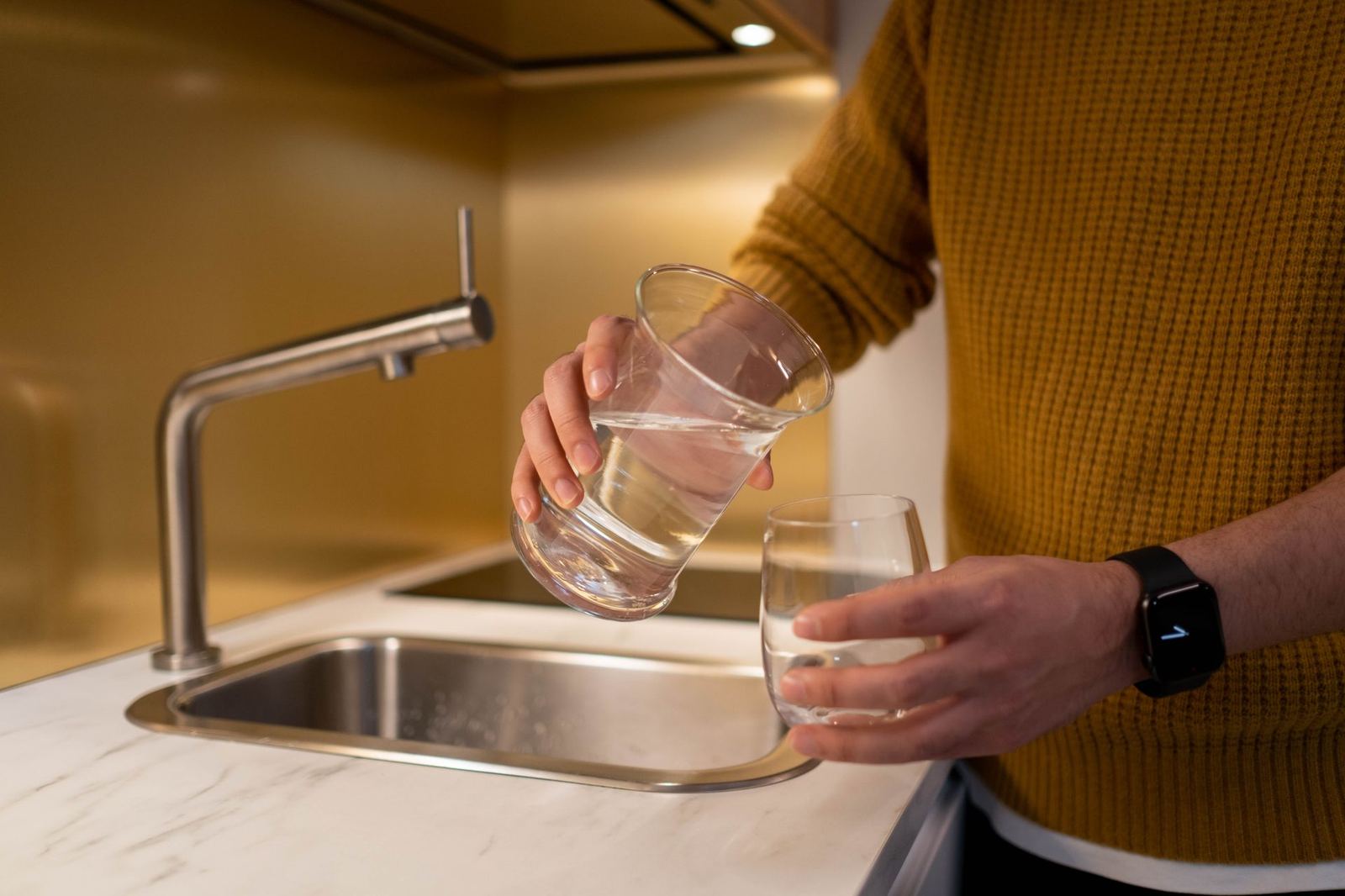
Legal limit values, analysis frequency and sampling tips.
Drinking water looks ordinary to most of us; yet whatever its source, its quality can change in the distribution system, in tanks and in plumbing. For this reason hotels, schools, hospitals, building management and food facilities must have regular analysis done. The basic legislation is the Regulation on Water Intended for Human Consumption.
A sterile 500 ml bottle is used. The tap mouth is disinfected with alcohol or flame, the water is run for two to three minutes, the bottle is filled without touching its inside and closed tightly. For chlorinated mains water the bottle must contain sodium thiosulphate, which neutralises the chlorine and prevents the killing of microorganisms. A separate 2 L plastic bottle is used for chemical analysis and a separate acidified bottle for heavy metals. The sample must reach the laboratory at 2–8 °C and within 24 hours at the latest.
First the possibility of a sampling error is assessed and verified with a new sample. If verified, the source is determined (tank, plumbing, source water), disinfection or filtration is applied and analysis is repeated until conformity is achieved. With our full drinking-water analysis package you can see 34 parameters compared with the regulation limits.
Taking a sample without disinfecting the tap mouth, using a non-sterile bottle, touching the inside while filling and keeping the sample longer than a day spoil the microbiological result. Taking a sample only from the mains inlet instead of the tank outlet does not show the real state of the plumbing; sampling from different points and planning the points is recommended.
Municipalities, health directorates, tourism licence inspections and insurers ask for an accredited laboratory report. We issue your report with a statement of conformity alongside the regulation limits so that no additional explanation is needed at inspection.
Core indicators, pathogens and a sample annual monitoring plan for producers and restaurants.
Read more